

Why Should I Hire a Wedding Planner? Everything You Need to Know
May 13, 2025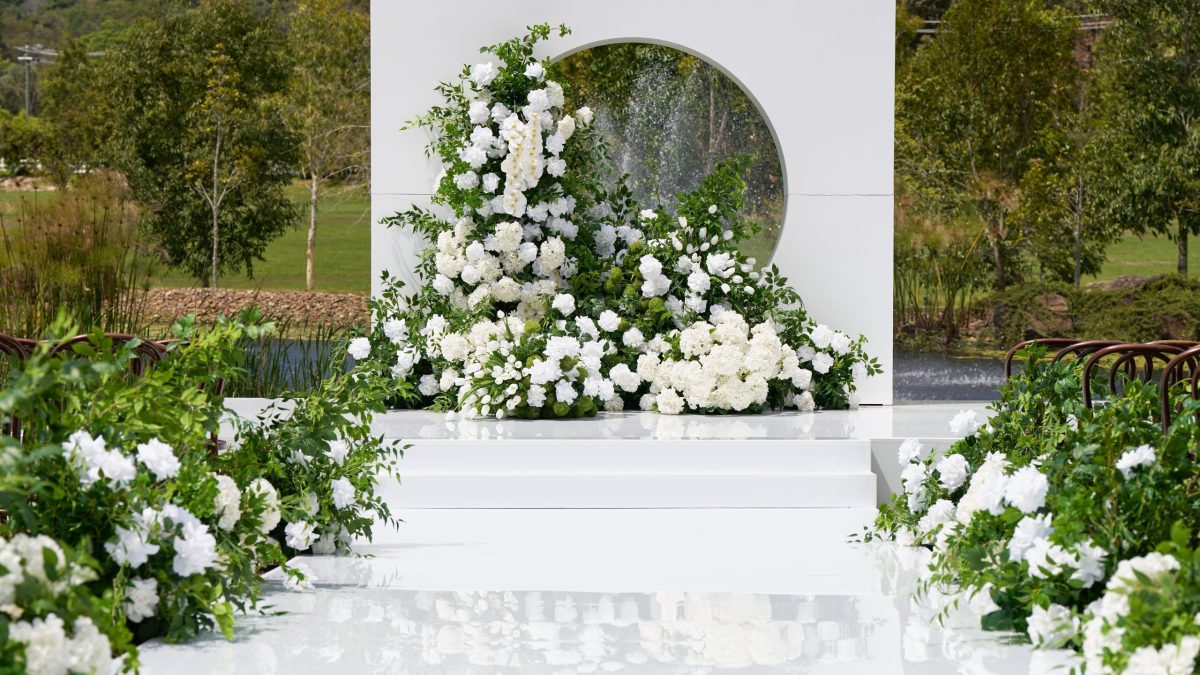
A ceremony arch doesn’t get points for being fresh if it wilts by cocktail hour. For many Australian couples, that’s the real floral conversation now: not fresh versus faux, but whether the design will hold exactly as planned from first look to last dance.
The numbers show why this shift matters. Per Easy Weddings, the national average spend on wedding flowers is now $2,639, up 8%, based on its 2026 Australian Wedding Industry Report surveying more than 4,000 couples. At the same time, florist guides are setting expectations higher for many full-service weddings. Mel’s Little House of Flowers says couples can expect to spend roughly AUD $2,000 to $8,000 in Australia depending on scale, while Brisbane florist Harper Arrow positions floral pricing as highly tailored to the wedding vision.
That gap between the “average” and the actual quote couples receive is where faux florals have moved firmly into the luxury conversation.
Easy Weddings also reports that 26% of couples choose faux flowers and 35% use a mix of real and faux. That means a non-all-fresh approach is no longer a niche workaround. It’s mainstream. And in my view, it reflects something more sophisticated than simple cost cutting: couples are reallocating spend away from perishability and toward design certainty.
That matters even more for Brisbane and Gold Coast weddings, where heat, transport, setup timing, and long event days can put pressure on fresh florals. If you’re building a statement ceremony moment, an overhead installation, or a large reception feature, you’re not only paying for flowers. You’re paying for the confidence that the visual impact will be there when guests arrive, when photos start, and hours later when the room is still in full swing.
This is the part the old “fresh or fake” debate misses.
For high-stakes weddings, couples are often buying risk reduction as much as beauty. Easy Weddings notes that flower prices fluctuate depending on how many floral elements you include, and that social media has dramatically lifted expectations, with some couples paying up to 10 times the national average to achieve certain looks. Once the brief involves scale, precision, and a very particular palette, the question becomes: where does each dollar create the strongest result?
Faux florals answer that in a very practical way. They offer more control over colour consistency, shape, and structure. They remove some seasonality surprises. They are less sensitive to heat and handling. Botanic Blossoms, in its durability comparison, makes this argument very directly, describing faux flowers as longer-lasting and better able to withstand heat and logistics. Their cost-saving claims are more promotional than market-wide, so I wouldn’t treat those percentages as universal, but the durability point aligns with what many couples are now prioritising.
And that is why faux has crossed into luxury.
Luxury is not just about using the most perishable option in the room. It’s about intention. It’s about building a wedding where the visuals are deeply personal and the execution feels effortless because somebody has already thought through the pressure points.
In floral design, that often makes a mixed strategy the smartest one. Use fresh where scent and guest proximity genuinely matter: bouquets, buttonholes, welcome table details, perhaps the head table if that sensory experience is important to you. Then use faux where scale and endurance matter more: arches, hanging installations, aisle meadows, large backdrop moments, and statement features that need to look immaculate for hours.
That is not compromising. That is allocating budget with precision.
It also gives couples more freedom to prioritise the parts of the day guests will actually remember visually. If a large floral installation frames your ceremony, appears in portraits, and then carries through into the reception, its value isn’t just botanical. Its value is the consistency of the atmosphere it creates.
The wedding flower budget conversation has matured. Per Easy Weddings, more than half of couples are already choosing either faux or a mix of faux and fresh. The market has effectively decided that “all fresh” is no longer the only marker of quality.
If you’re planning a wedding in Brisbane or the Gold Coast, the better question is not whether faux flowers are acceptable. It’s where design certainty matters most, and how to place your budget there first.


